Short Classic Books to Read: Compare the Edition, Not Just the Page Count
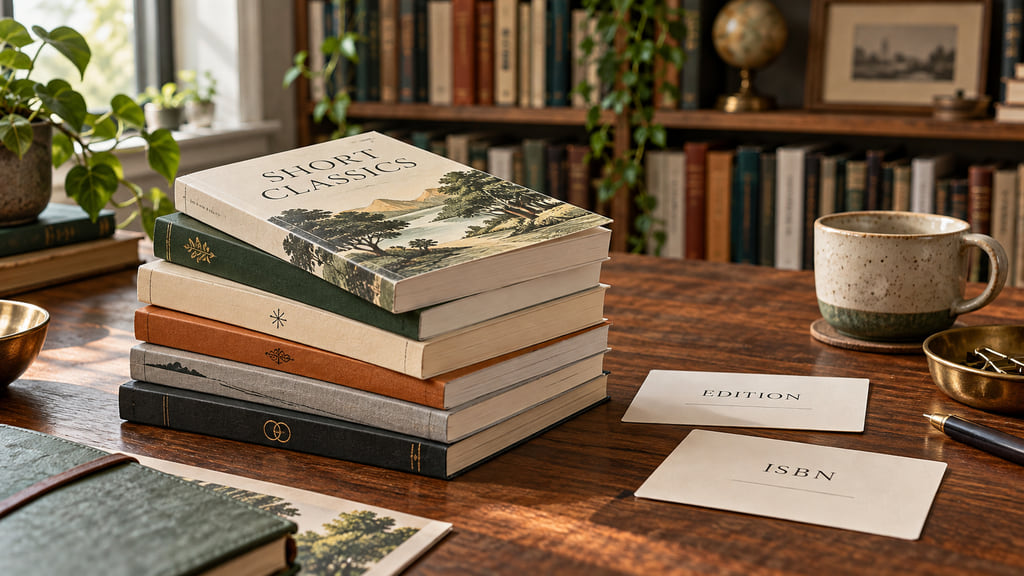
For short classic books, start with A Christmas Carol for a ghost story about generosity, Animal Farm for political satire, or The Metamorphosis for something stranger. The six selections below offer compact alternatives to a sprawling novel. Their length is a starting point for choosing, not a promise that you'll finish any of them in a day.
There is one catch: a title doesn't have a single universal page count. A paperback with a long introduction can look like a larger reading commitment than the same story printed on bigger pages. This guide names the English-language print edition behind each number, including the ISBN, translation where relevant, and additional material.
Short does not mean the same edition everywhere
When a recommendation calls Animal Farm a 144-page book, ask which copy it means. Penguin's record for ISBN 9780141182704 lists 144 pages and identifies Robert Colls as the introducer. That number describes this Penguin Modern Classics paperback. It isn't a measurement that travels unchanged to every edition of Orwell's story.
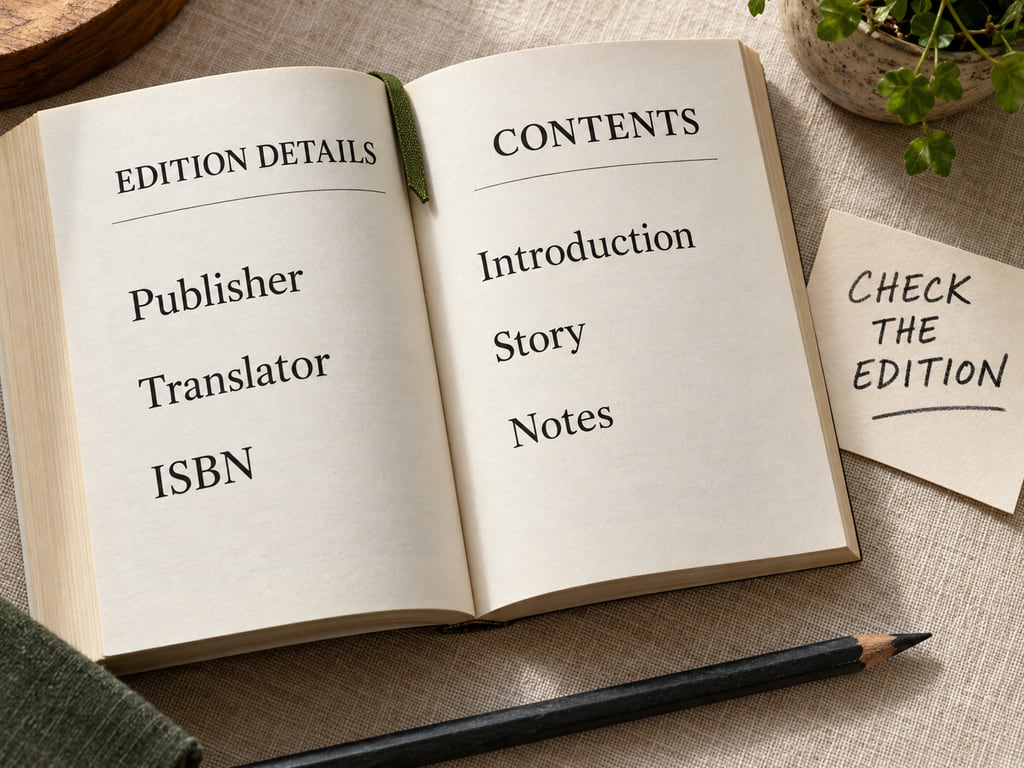
Treat the ISBN as your matching key when looking up a copy. Check the publisher, format, and translator alongside it. A familiar cover or shortened title can conceal a different product, especially when a listing offers several formats. The useful question is whether the copy in your basket matches the edition you compared.
How these books were selected
Each choice is a self-contained work available in a named English-language print edition of 224 pages or fewer. That's the practical ceiling for this selection, not a definition of classic literature. The order moves from satire and familiar storytelling toward psychological and unsettling fiction; it is not a ranking of literary importance or ease.
The selection favors different reasons to read: politics, generosity, moral responsibility, mortality, independence, and alienation. Publisher records supply the bibliographic facts; the suggested starting points are editorial judgments. Pages below refer to the entire edition, including supporting material, rather than a separately measured story length. Edition details were checked October 22, 2026. UK publisher records identify specific copies; they don't establish US stock or delivery.
Compare the selected books
Use the table to match a copy, then read the individual notes for theme and fit. All six are print editions; ebook screens and audiobook durations are outside this comparison. The full ISBN is included so you can search a library catalog without relying on a cover image.
| Work and author | Edition / ISBN | Pages | Contents and translation |
|---|---|---|---|
| Animal Farm — George Orwell | Penguin Modern Classics paperback 9780141182704 | 144 | Story; introduction by Robert Colls |
| A Christmas Carol — Charles Dickens | Bantam Classics mass-market paperback 9780553212440 | 112 | Story; account of Dickens's first reading and a biographical sketch |
| The Strange Case of Dr. Jekyll and Mr. Hyde — Robert Louis Stevenson | Dover Thrift Editions paperback 9780486266886 | 64 | Standalone title |
| The Death of Ivan Ilyich — Leo Tolstoy | Vintage paperback 9780307951335 | 64 | Standalone novella; Richard Pevear and Larissa Volokhonsky translation |
| The Awakening — Kate Chopin | Melville House paperback, The Art of the Novella 9781935554127 | 224 | The standalone work, rather than a selected-stories collection |
| The Metamorphosis — Franz Kafka | W. W. Norton paperback 9780393347098 | 128 | Susan Bernofsky translation; introduction by David Cronenberg |
Animal Farm — George Orwell
Choose Orwell if you want to think about power and political language through a compact satire. Its appeal here is the gap between a simple-looking form and the questions it raises. Read it as a story first; you can return to its political implications afterward without turning the first reading into a decoding assignment.
The 144-page Penguin Modern Classics edition is a specific reference copy, with an introduction by Robert Colls. Penguin Classics is the imprint; Penguin Modern Classics is the series. If you prefer to meet the story without commentary first, save the introduction until afterward. Its presence is another reason to distinguish the volume's length from the narrative alone.
A Christmas Carol — Charles Dickens
Start here if you want a familiar premise with a clear moral question: what might make a person change? Scrooge and the visiting ghosts give the story an immediate shape. Familiarity can be useful when returning to older fiction, since you can concentrate on how Dickens tells the story rather than keeping track of a large cast.
Bantam Classics lists 112 pages for ISBN 9780553212440. The publisher also describes an account of Dickens's first reading of the work and a biographical sketch. Those extras belong to this edition's package. Don't confuse it with a volume collecting several Christmas stories just because the cover emphasizes Scrooge.
The Strange Case of Dr. Jekyll and Mr. Hyde — Robert Louis Stevenson
Pick Stevenson for suspense and a question about the divided self. The familiar title can make it tempting to skip straight to the idea behind it. Let the story establish its own sequence instead: a short work can still reward attention to how information reaches the reader.
The Dover Thrift Editions paperback, ISBN 9780486266886, is listed at 64 pages. It is the standalone choice here. By contrast, Penguin English Library's 128-page edition also includes The Bottle Imp. Twice the listed pages does not mean twice as much Jekyll.
The Death of Ivan Ilyich — Leo Tolstoy
This is the choice for a serious, inward-looking reading session. A man confronting death begins to question the life he has built. That premise makes it a useful contrast to the outward action of a suspense story. Choose it because you want to sit with the subject, rather than because its page count looks convenient.
Vintage's 64-page paperback uses the translation by Richard Pevear and Larissa Volokhonsky. The ISBN is 9780307951335. This record is for the standalone novella. A Tolstoy volume that includes other stories answers a different question about how much reading you're taking on.
The Awakening — Kate Chopin
Choose Chopin when your interest is personal freedom and the expectations surrounding marriage. The publisher describes a woman constrained by her marriage; that conflict is a strong reason to choose the book even if it is the longest edition in this selection. A theme you want to explore is a better guide than shaving a few pages from the task.
The Melville House paperback, ISBN 9781935554127, has 224 pages and belongs to The Art of the Novella series. This is the individual work, rather than a book of Chopin's selected stories. Its series placement explains the publishing context; it doesn't make its page layout directly comparable with Dover's.
The Metamorphosis — Franz Kafka
Try Kafka if you want a disturbing premise that makes ordinary obligations feel unfamiliar. Gregor Samsa wakes transformed into a monstrous creature; the opening situation is enough to establish the mood without describing the ending. The publisher's account of the story gives that premise. It isn't the edition used for the page count below.
For this comparison, Norton's paperback, ISBN 9780393347098, provides Susan Bernofsky's translation and an introduction by David Cronenberg in 128 pages. Match the translator as well as the title if you want this version. A Kafka collection containing the novella is a different volume, even when its cover gives The Metamorphosis top billing.
Two routes through the list
For a story-first start: try A Christmas Carol, then Dr. Jekyll and Mr. Hyde, then Animal Farm. The route moves from a familiar moral tale through suspense to satire. It is an editorial suggestion based on form, not a tested ladder of reading difficulty. Stop after one if that's the book you wanted.
For questions about the self: try The Awakening, The Death of Ivan Ilyich, and The Metamorphosis. Compare independence, the meaning of a life, and alienation. This route follows a thematic interest; the shortest volume need not come first. Leave room between books if you'd rather think about one than rush into the next.
What page counts leave out
Page totals measure a printed package. They don't tell you how demanding a sentence feels, how often you'll pause, or whether a theme interests you. Translation, page dimensions, typography, and supporting material all matter when comparing copies. Here, two editions list 64 pages, but that does not establish equal reading time or an equal emotional commitment.
Before borrowing or buying, match the ISBN, look at the contents, and read a sample. Check whether commentary is useful to you and whether its placement reveals plot details. For a wider choice of themes, see our guide to ten must-read books and where to start. For this shorter project, choose one title and one edition you actually want to open.
Frequently Asked Questions
Why do page counts differ between editions?
Page size, type size, spacing, translation, and added material can change the length of a printed edition. An introduction or notes count toward the publisher's total even though they are not part of the story. Match the ISBN and format before comparing two listings, then check the contents to see what the total includes.
Can a collected volume count as one short book?
You can choose to read one work from a collection, but the collection's total page count measures the whole volume. It does not measure that individual work. For a manageable reading project, identify the story you want and check its place in the contents. Use a standalone edition when you want a simpler comparison between books.