Target Designer Collaborations: A Source-Checked Timeline
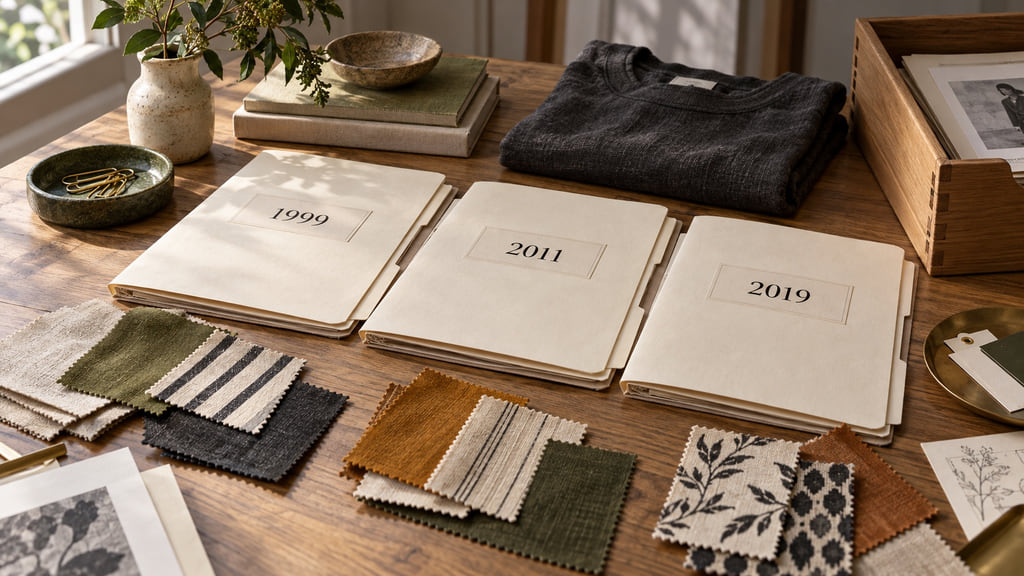
Target’s designer collaboration history starts with Michael Graves in 1999 and includes both continuing partnerships and limited collections. Missoni, Jason Wu, Lilly Pulitzer, and Diane von Furstenberg belong to that history, but their launches do not form a permanent shopping catalog. The useful question is which collection appeared when, and what kind of partnership it represented.
This U.S.-focused timeline selects nine milestones for their different categories, partnership formats, and place in Target’s design story. It runs through the 2024 Diane von Furstenberg collection; it is a selection, not a complete list or a claim that partnerships ended there. Primary references were checked October 22, 2026. Dates below describe historical releases, not current inventory.
A collaboration is not an owned brand
A designer collaboration connects Target with an outside designer or design brand for a particular project. The collection may span several departments or focus on a smaller wardrobe. The designer’s name tells you about that creative relationship; it does not establish ownership of the label, the identity of a resale seller, or whether production continues.
Target’s owned-brand directory separately describes its in-house brand strategy and lists names such as A New Day and Threshold. Use that directory to understand ownership. Use a collection announcement to understand a partnership. Treating both as interchangeable makes it easy to mistake a dated capsule collection for an ongoing house brand.
The early partnerships and the 20-year retrospective
Target’s August 2019 retrospective identifies Michael Graves in 1999 as its first designer partnership. It lists both year ranges and individual years, a useful reminder that the history contains different formats. A long-running relationship and a one-season release should not be described as if their availability worked the same way.
The following table is a reading guide to selected milestones. The year identifies the original collection or the specific later release discussed here. It does not date an individual secondhand garment. For that, compare the actual label and item details with the relevant collection rather than relying on a seller’s headline.
| Year | Partner or release | Historical context |
|---|---|---|
| 1999 | Michael Graves | Beginning of Target’s designer partnership history |
| 2003 | Isaac Mizrahi | Fashion partnership launch |
| 2011 | Missoni | Limited fashion and home collection |
| 2012 | Jason Wu | Standalone limited apparel and accessories collection |
| 2014 | Altuzarra | Limited women’s ready-to-wear, accessories, and shoes |
| 2015 | Lilly Pulitzer | Limited resort-inspired lifestyle collection |
| 2018 | Hunter | Limited family and outdoor lifestyle collection |
| 2019 | Anniversary Collection | Return of selected earlier designs |
| 2024 | Diane von Furstenberg | Limited fashion and home collection |
Build the timeline one announcement at a time
1999: Michael Graves starts the story
Target’s 2019 retrospective dates the Michael Graves partnership to 1999–2013. That range matters: the opening chapter was a continuing relationship, not simply a weekend drop. It is the starting point for this chronology, while the later Anniversary Collection is a separate event. A retrospective reference to Graves does not make every item bearing his name a 1999 Target product.
2003: Isaac Mizrahi brings a fashion milestone
Isaac Mizrahi’s own brand history dates the launch of Isaac Mizrahi for Target to 2003. Target’s retrospective lists the partnership as 2003–2009. Read that as a historical fashion collaboration, rather than assuming one fixed assortment remained available throughout. For a particular piece, its collection context matters more than the broad partnership date range.
2011: Missoni spans fashion and home
The August 15 Missoni announcement scheduled the collection for Sept. 13 through Oct. 22, 2011, with select online items potentially continuing longer depending on availability. Apparel, accessories, and home furnishings shared the collection. Its breadth makes it a useful example of a design partnership extending well beyond dresses, without implying that every item followed the same sales window.
2012: Jason Wu is a standalone collection
Target’s January 10 Jason Wu release announced women’s apparel, handbags, and scarves for Feb. 5 through March 6, 2012, or while supplies lasted. Target called it a standalone limited-edition collection. That is a more precise description than treating every designer project as part of one continuous product line. The announcement date and shopping start date are different.
2014: Altuzarra adds another distribution wrinkle
The May 22 Altuzarra announcement set a Sept. 14 launch for women’s ready-to-wear, accessories, and shoes. Alongside Target distribution, it described an edited assortment at NET-A-PORTER.COM. This milestone shows why the channel belongs in a collection’s history: different retailers could carry different selections. The old release is background about that arrangement, not a present-day recommendation to buy there.
2015: Lilly Pulitzer takes a lifestyle approach
Target’s January 6 Lilly Pulitzer announcement gave April 19 as the collection’s launch date. It described women’s and girls’ apparel alongside home accents, entertaining accessories, and beach-related pieces. The resort-inspired scope earns its place here: it demonstrates how a recognizable design identity could cross clothing and everyday surroundings within one limited collection.
2018: Hunter moves the focus outdoors
The March 1 Hunter announcement scheduled the main launch for April 14, 2018. Its scope included family apparel and accessories plus home and outdoor products. That category mix is the distinction worth remembering. This entry describes the announced collection; it does not claim that each announced product ultimately reached shelves or remains available.
2019: The Anniversary Collection revisits earlier designs
The August 2019 announcement scheduled a Sept. 14 Anniversary Collection drawn from 20 past partnerships, while supplies lasted. A reissue belongs to its own year even when it revisits an older design. That distinction helps explain why a familiar collaboration name can appear in more than one dated release. The retrospective was a selected celebration, not a complete catalog of every partnership.
2024: Diane von Furstenberg extends the chronology
Target’s February 20 announcement introduced a limited collection involving Diane and Talita von Furstenberg, launching March 23 while supplies lasted. Apparel, accessories, beauty, and home were included. This later milestone prevents the 2019 anniversary from looking like the end of the story. It remains a historical entry, rather than a claim about what is available now.
Why sold out, resale, and reissue are different
Sold out describes availability for a specific offer. Resale describes another sale of an item; it does not establish that Target has restarted a collection. A reissue is a later release, as the 2019 anniversary illustrates. These terms answer different questions, so do not use one as evidence of another.
If you are comparing an older piece, ask for the label, collection year, size, measurements, condition, and clear photographs. Compare those details with the appropriate release. An asking price is not proof of value or authenticity. The chronology helps identify what to investigate; it cannot authenticate an individual item from its name alone.
Where to find current premium products
For shopping today, begin with current listings and their exact seller, specifications, delivery details, and return terms. Our guide to premium finds at Target covers the broader shopping categories. Target Plus is a separate marketplace concept, not another name for designer collaborations. Keep the historical collection, product brand, and current seller separate when comparing offers.
Frequently Asked Questions
Is an old collaboration still sold at Target?
A historical launch announcement does not establish current stock. Check the exact collection and item on a current product listing. A later anniversary edition is a separate release, and a resale offer is a separate transaction. Match the year, label, condition, seller, and return terms before deciding whether an item is the version you want.
Is a designer partnership a Target-owned brand?
No. A designer partnership describes a creative collaboration; it does not by itself mean Target owns the designer’s brand. Target separately identifies its owned-brand portfolio. A limited collection can carry a designer name without becoming a permanent Target label, and the partnership’s duration depends on the specific arrangement.
Sources
The linked Target announcements establish the collection dates and scope above; Isaac Mizrahi’s brand history supports his launch year. Target’s owned-brand directory explains the separate ownership category. Checked October 22, 2026. For an older item, identify the exact release before comparing a current offer.