
Premium Finds at Target: Owned Brands, Designer Collaborations, and Target Plus


Target designer brands fall into different shopping channels: Target-owned brands, limited designer partnerships, and Target Plus marketplace sellers. A higher price alone does not make an item a luxury product. There is no stable “most expensive thing at Target.” Prices, inventory, and third-party listings change too quickly for one product to hold that title. Compare the brand owner and the seller before comparing prices.
That distinction matters more than a dramatic price tag. This guide covers U.S. shopping on Target.com and in Target stores, using ownership, availability, seller identity, and return terms as the comparison criteria. Brand descriptions and return rules were checked on October 21, 2026; the examples below identify product categories rather than promise stock in your store.
Three different ways premium products reach Target
A Target-owned brand belongs to the retailer. A designer collaboration brings an outside label into a specific collection. Target Plus is a marketplace sales channel, where the outside seller is a separate business. An exclusive label is not automatically owned by Target: exclusivity describes where a product is sold, while ownership describes who controls the brand.
A comparison table before the product examples
| Channel | Brand owner | Seller | Availability | Returns |
|---|---|---|---|---|
| Target-owned brand | Target; examples include Casaluna and Figmint | Target for its retail offering; confirm the listing | Ongoing brand; individual products and store stock change | Owned-brand items: up to one year with a receipt for an exchange or refund if dissatisfied; restrictions apply |
| Limited designer partnership | Outside designer or label collaborating with Target | Target for the original collection; a later resale seller is separate | Specific launch or limited run; historical releases do not establish current stock | Check the collection and item terms: limited-time collections may have modified policies |
| Target Plus | Product brand; marketplace participation does not make it Target-owned | Third-party Target Plus Partner | Online marketplace listing; check delivery and pickup options on that item | Most unopened items in new condition: 30 days from receipt for a refund; some items have modified or shorter windows |
The comparison follows Target's return policy and exceptions. The one-year owned-brand rule does not automatically cover every exclusive or designer product. Target may deny returns for fraud or abuse; opened or damaged marketplace items may be denied a refund, and in-store Partner returns require an eligible receipt.
1. Target-owned brands
Target's owned-brand directory includes Casaluna for bedding and bath, Threshold for home furnishings, and Figmint for kitchenware. For clothing, it lists A New Day and Goodfellow & Co. These are useful starting points for coordinated styles, but the brand name alone does not establish the quality of a particular item.
Calling every item “luxury” would overstate the case. Compare the actual fabric, construction, or materials. “Only at Target” is a distribution claim, not a quality grade or sufficient proof of brand ownership.
2. Limited designer partnerships
A limited collection gives an outside designer a defined project with Target. Its launch announcement establishes when that collection was offered; it does not make the designer's regular range a permanent Target department. Keep the designer's own products, the Target collaboration, and any later resale listing separate.
3. Target Plus marketplace sellers
Target describes Target Plus as a curated, invite-only selection from third-party sellers on Target.com. It expands the online aisle beyond Target's first-party assortment. Target's June 2024 overview describes the marketplace as part of Target.com and its mobile app. A brand shown there is not thereby a Target-owned brand.
“Curated” does not mean “sold directly by Target,” and an online listing does not prove local shelf availability. Before buying, read the seller and shipping line on the product page. Target's return options may still be convenient, but fulfillment details can differ by item.
Current examples with a clear evidence date
As of the October 21, 2026 directory check, Casaluna, Figmint, and Threshold remain listed in Target's brand portfolio. Use those brand categories as browsing starting points, then read the individual product specifications and availability. The images illustrate materials and styles; they do not identify particular products for sale.
Premium bedding and bath: start with fiber and fill
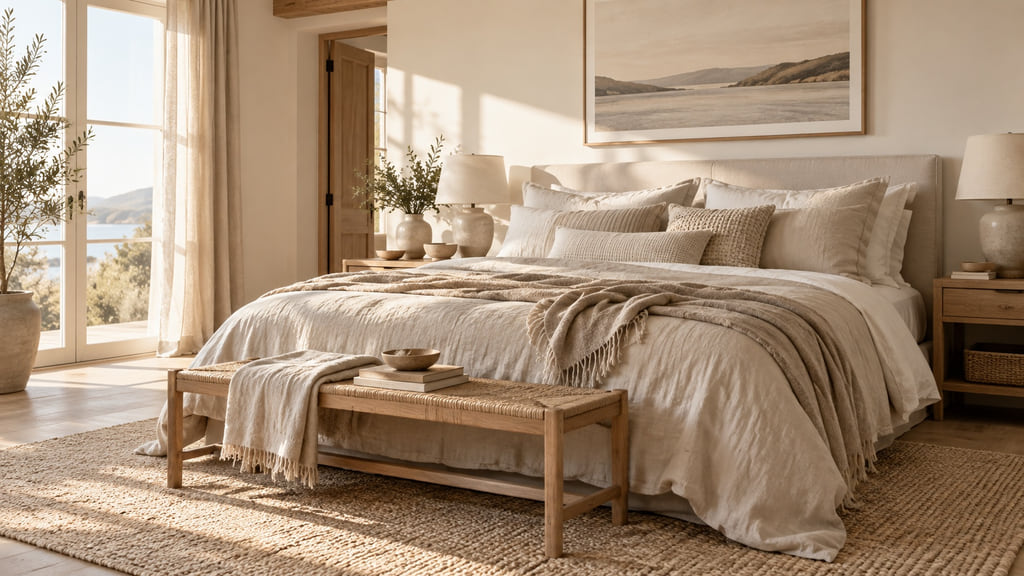
For bedding and bath, start with Casaluna. Compare the actual fiber content, fill, dimensions, and care directions; a neutral palette and heavy fabric can look luxurious in a photo without making two products equivalent.
Cookware: material matters more than the finish
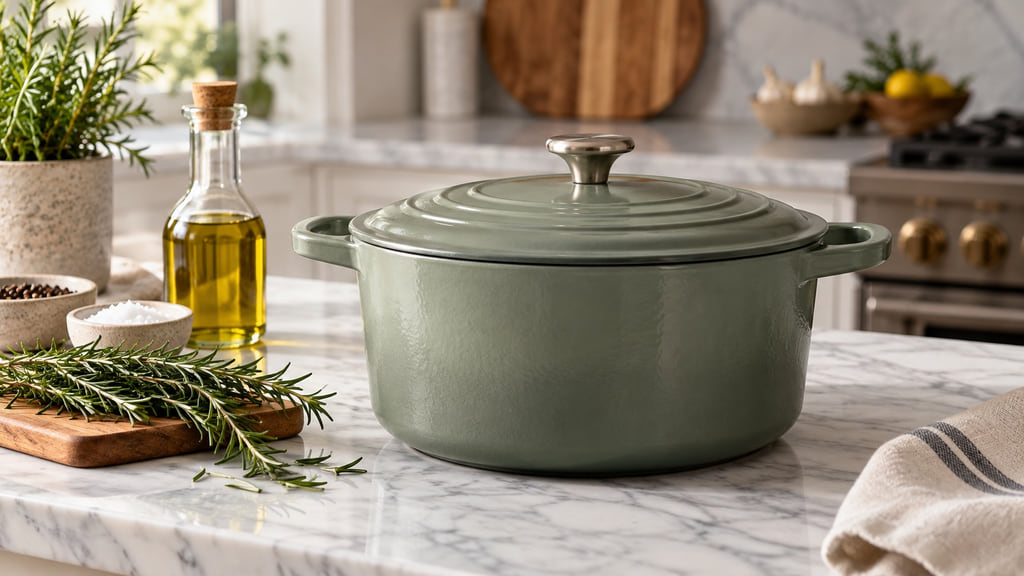
For cookware and kitchen tools, browse Figmint. A handsome color is only the first filter. Check vessel weight, interior coating, oven-safe temperature, cooktop compatibility, warranty, and cleaning instructions. Those specifications reveal more about long-term usefulness than an “affordable luxury” label.
Designer history belongs in a timeline
Designer apparel: treat each collaboration as a dated release
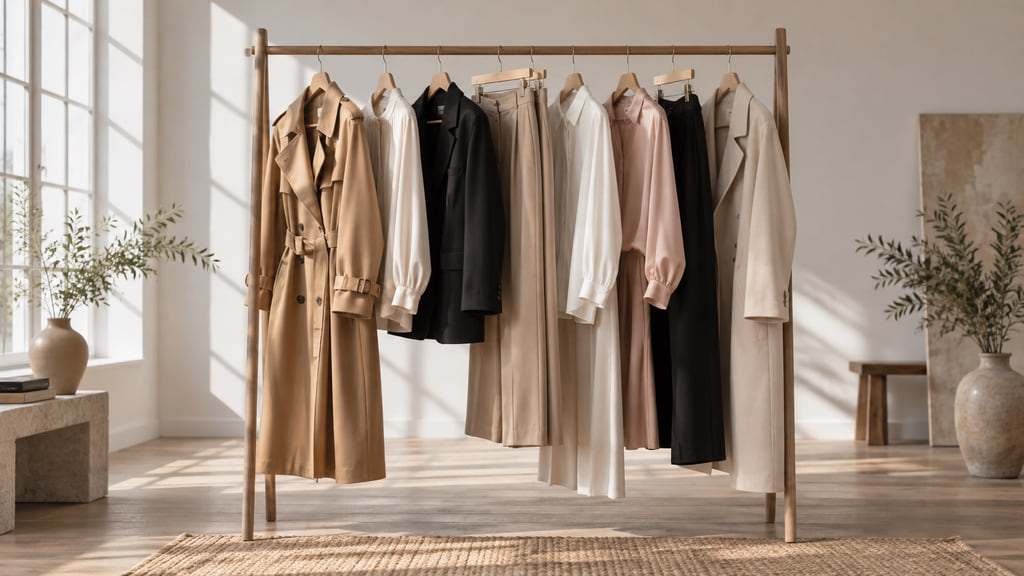
One historical example makes the distinction clear: Target announced Missoni for Target as a limited-edition fashion and home collection scheduled for September 13–October 22, 2011. That was a dated release, not a promise of availability today. Such releases can offer distinctive pieces, but scarcity is not evidence of quality or investment value. Judge the garment in front of you by fabric, lining, seams, fit, and return window. If a search result surfaces an old collaboration, confirm the date before assuming it is a current release.
Check the seller and return terms
Beauty and fragrance: identify the seller first
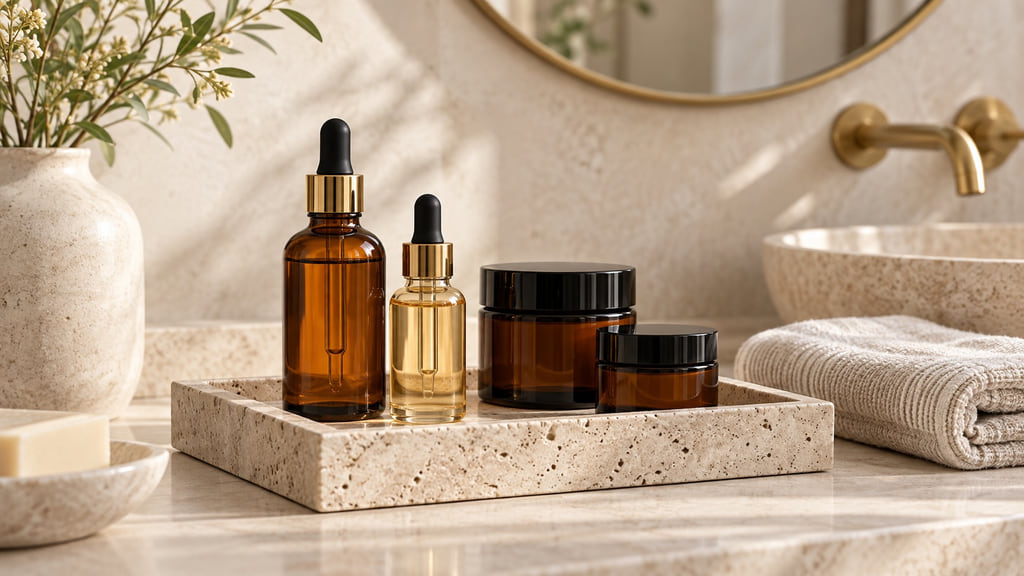
A familiar fragrance name identifies the product brand; it does not tell you who is selling that listing. Read “Sold and shipped by” and open “Shipping & Returns.” A product page alone does not establish permanent in-store distribution or a direct Target retail relationship. For prestige fragrance or skincare, verify the seller, package size, return rules, and whether the item is available for pickup or only shipping.
Lighting and decor: compare scale, not just style

When browsing home furnishings such as Threshold, remember that photography hides scale. Measure the intended space, inspect shade or surface materials, note assembly requirements, and read the bulb or weight limits. A well-proportioned lamp that fits the room is a better premium find than a more expensive object that does not.
A product-page checklist before checkout
For a Target Plus purchase, Target's policy says Partner items must be returned to Target in store or by mail. Read the item's return section before buying, keep the receipt, and check the window from delivery. A designer label does not override the item's stated terms.
- Classify the channel. Decide whether the product is a Target exclusive, a limited collaboration, a national brand, or a Target Plus listing.
- Open the full product details. Look for materials, dimensions, care, warranty, and included pieces rather than relying on the title.
- Check fulfillment. “Shipping,” “pickup,” and “shop in store” describe different availability. For marketplace products, confirm who sells and ships the item.
- Compare like with like. Match fiber to fiber, cookware construction to cookware construction, and the same product size. A higher ticket is not automatically a higher tier.
- Recheck at checkout. Price, promotions, seller, and stock can change. Treat screenshots and older articles as leads, not guarantees.
Frequently Asked Questions
What is the most expensive item at Target?
There is no durable answer. Target.com includes changing categories such as furniture, electronics, outdoor equipment, and third-party marketplace products, so the highest-priced live listing can change with inventory and sellers. Compare premium categories instead of treating one temporary product card as a record.
Does Target sell luxury brands?
Sometimes, but the route matters. Target has hosted limited designer partnerships and Target.com includes selected third-party marketplace listings. Its continuing owned brands are better described as premium-leaning or design-forward within mass retail, not as traditional luxury houses.
Are Target designer collaborations always available?
No. Missoni for Target, for example, was announced as a limited collection in 2011. A past collaboration should not be presented as permanent current inventory. Check the launch announcement, date, live product page, and store availability before making a trip.
Is Target Plus the same as a Target-owned brand?
No. Target Plus is a third-party marketplace within Target.com and the app. A Target-owned brand belongs to Target; a marketplace listing is sold by a Partner. Check the seller field as well as the brand name, because ownership, fulfillment, and return terms answer different shopping questions.
The practical takeaway
The smartest premium Target find is not necessarily the priciest. Start with the channel, then compare materials, specifications, seller, and fulfillment. Owned brands are the predictable place to browse; collaborations reward timing; Target Plus adds online breadth with an extra seller check. For a different big-box comparison, see our guide to pricey items sold at Walmart. If quality matters more than a new label, use these tips for finding better clothing at thrift stores.
Sources
Brand classifications: Target's brand directory. Marketplace structure: Target's June 24, 2024 Target Plus overview. Historical collection dates: Target's 2011 Missoni announcement. Return windows and exceptions: Target Help. Brand directory and return terms checked October 21, 2026; product stock and item-specific terms should be read on the listing before purchase.